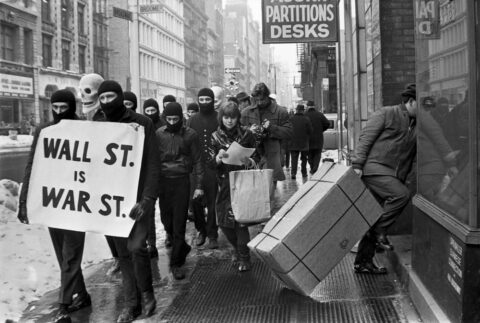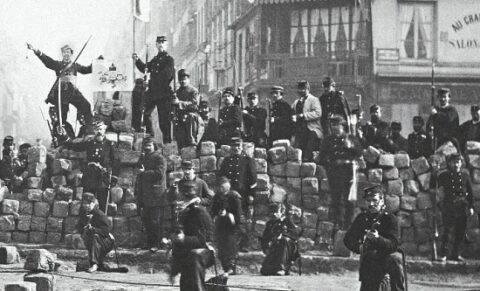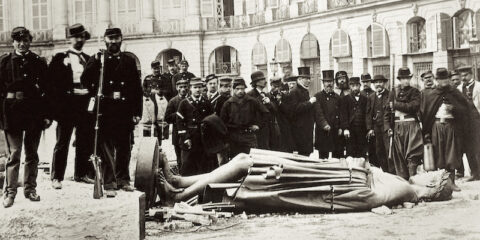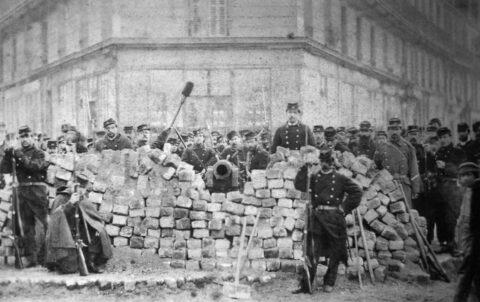

the paris commune of 1871 was our first revolution and a radical uprising in which workers and citizens briefly took control of paris, rejecting the authority of the french government. it was a powerful act of rebellion against entrenched systems of power, class inequality, and hierarchical rule. the commune attempted to build a society based on direct democracy, worker control, and collective decision-making. though it was violently crushed, it remains a symbol of resistance to oppression and the possibility of a more egalitarian world. by tnt
history
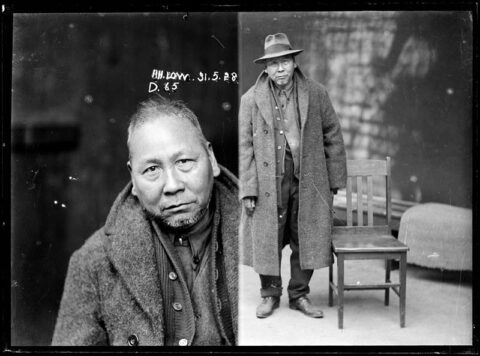
1920s Australian Mugshots
ah low: may 31, 1928
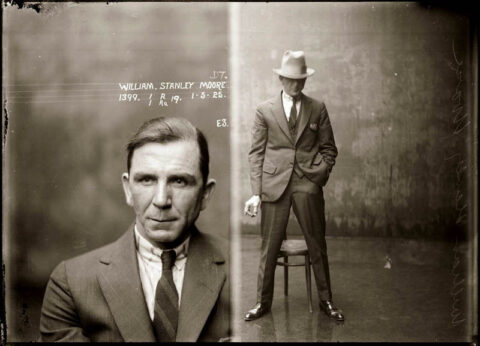
mr. william stanley moore: may 1st, 1925.
opium dealer operating with large quantities of faked opium and cocaine. also a wharf labourer and associates with water front thieves and drug traders.
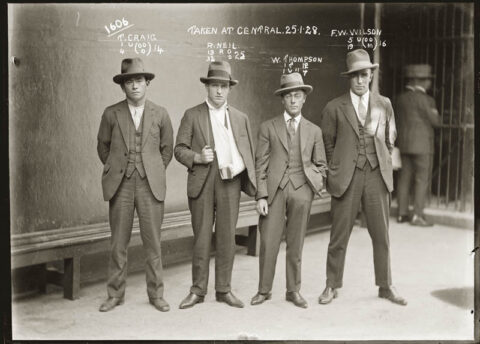
thomas craig, raymond neil (aka “gaffney the gunman”), william thompson and fw wilson: january 25, 1928.
this photograph was apparently taken in the aftermath of a raid led by chief bill mackay.
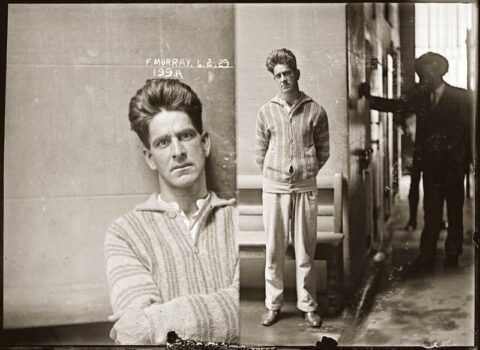
frank murray alias harry williams: february 4, 1929
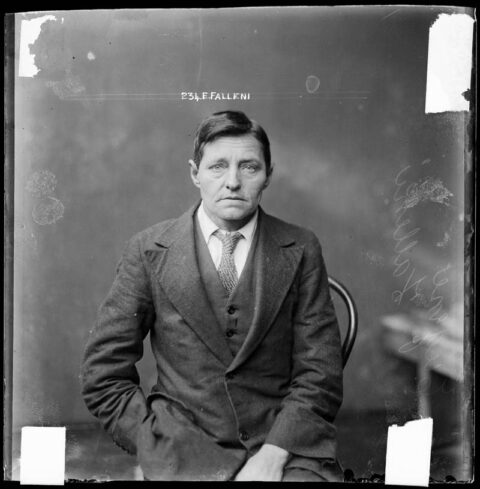
eugenia falleni, alias harry crawford: 1920
when ‘harry leon crawford’, a hotel cleaner from stanmore, was arrested and charged with the murder of his wife, it was revealed that he was actually eugeni falleni—a woman and mother who had been living as a man since 1899. in 1914, under the name harry crawford, falleni married a widow named annie birkett. three years later, shortly after birkett confided to a relative that she had discovered “something amazing about harry,” she disappeared.
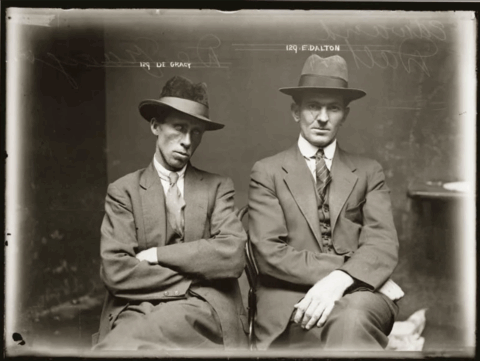
de gracy (sic) and edward dalton: circa 1920
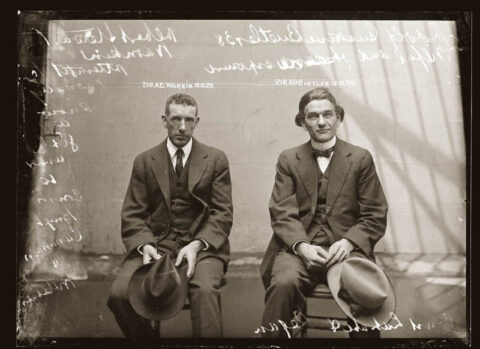
albert stewart warnkin and adolf gustave beutler: october 18, 1920
please stand next to this height chart so we can see how tall you are—make sure to keep your hat on. by tnt
“If you tremble with indignation at every injustice, then you are a comrade of mine” – the faces of che
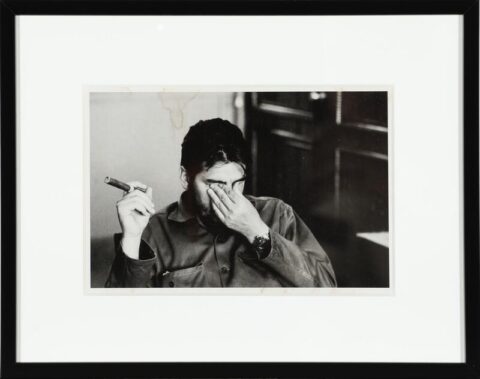
rene burri photograph of ernesto che-guevara 1963 havana
lisa howard and fidel castro first meeting havana riviera hotel april 21 1963. in the early 1960s, lisa howard became ABC news’s first woman reporter, and was the first woman to have her own national network television news show (insert: mole). howard developed a relationship with cuba’s fidel castro, whom she met to interview, and was a go-between for a time between castro and the american white house.
blue bird production “the faces of che” and the cuban revolution
a very good and rare documentary (watch it before this bootleg is taken down) on cuba and its revolution with some details about the relationship of che and castro that i didn’t know. worth a watch for any history buff. by xy
and so you think you have friends?
“when the day is done” see docu here
my friend was crying to me to the other day, she was let down because the friends she thought she had, turned out not to be such friends. in trying to console her i said “you know what? i don’t have many true friends either, but that’s ok.” my father told me when i was a kid that “if, by the end of your life, you can count your friends on one hand, you should consider yourself a lucky man.” i couldn’t quite understand it at age 12… i thought i already had 20+ odd friends, but i so understand now what he meant. not sure if that helped her that night. but i was up till 5am drinking and talking to an artist who was visiting new york and what he said to me was even more profound… i’ll tell you…
we joked how today, people have thousands of followers but zero friends. i was trying to name a few of my good friends that i have acquired through the years. some had dropped off my list but came back into my life and redeemed themselves. i was able to roll off a few, three, four… and we then laughed, as neither of us named the other. you know, its not easy to become a friend – that’s no easy task…
he said when he was in art school and before he left for prague, he was longing for a new chapter. he was assessing the people he had spent his time with and sorting out in his head who they really were and why they had even come together. people travel not just physically but mentally and intellectually. when he told his teacher about this vacancy of souls the teacher said this:
“… don’t worry and don’t fret that you have so few friends now… you will surely find your friends in history one day.”
oh my beautiful jesus – whom i so don’t believe in – i think this was really one of the most beautiful of truths i have heard in so many years. i just stared at him for some time, and a warm smile just lite up my face. it all dawned on me, and crashed onto me… it connected all my dots… i just loved that… and i wanted to share it with you all – but more importantly i wanted to put it up here so i will never forget it. now, i can come here whenever i need, and remember the wealth of friends i have! and these are just the few i am able to roll off… there are many more!
tell me about love
tell me about dignity
tell me about sacrifice
tell me about range
tell me everything
tell me about single mindedness
tell me about fairness
… you can smile now.
ok now go to bed… and remember… you may have friends that you have never met, but in the end your true friends are those who inspire you and change you for the better. thank you to HT for our late night chats, and all of this, we miss you… my new friend! by dd
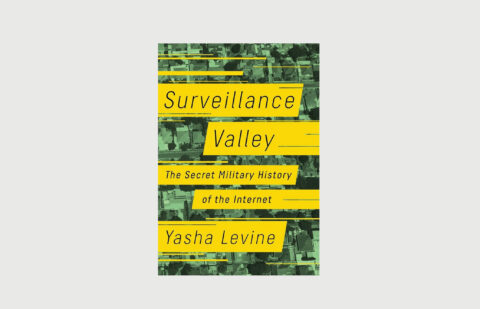
The Secret Military History of the Internet: chris hedges interview with Yasha Levine author of “Surveillance Valley”
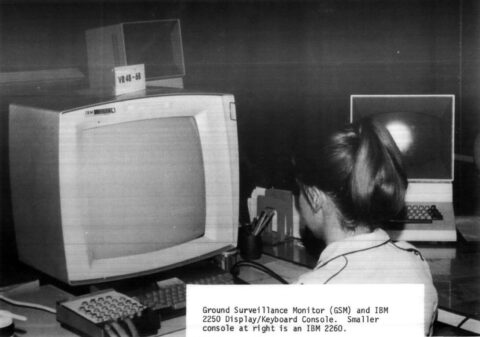
ARPANET: funded by the us department of defense’s advanced research projects agency (arpa), was a pioneering packet-switching network that served as the precursor to the modern internet, enabling interconnected computer communication and resource sharing among researchers
author of the book “surveillance valley” – yasha levine. levine’s family emigrated from the soviet union in 1989 when levine was 8-years-old, he is a russian-american investigative journalist, author and reporter. levine, who was born in the soviet union, was raised in san francisco, CA.
the internet, from its inception, was created as a tool of mass surveillance. yasha levine traces the origins of the web in his book, “surveillance valley,” and how its roots in counter insurgency shape its function today.
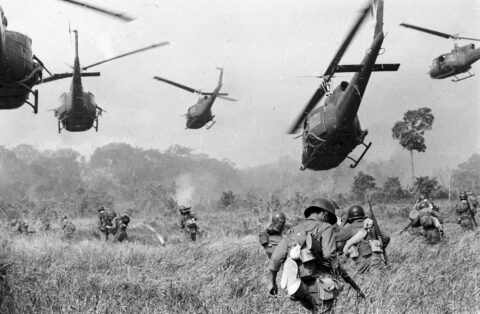
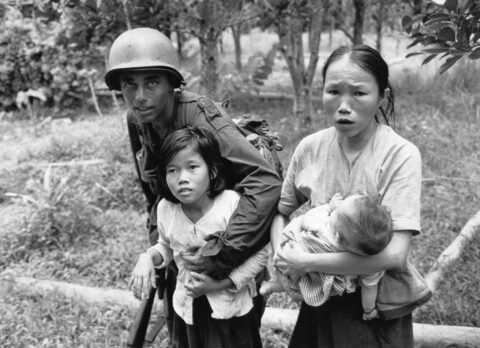
image above: vietnam
the defense communications planning group is a pretty boring name for a secretive group tasked with building one of the most high-tech war surveillance systems ever devised — and that’s no accident. the name, DCPG for short, was intentionally dull to prevent north vietnamese forces from getting too suspicious should they hear about it.
after listening to this you can extract why china developed tiktok to counter the US incursions and why US wants to shut it down or control it… it makes sense…
while some frowned at levines idea of “depicting the likes of amazon as part of a military conspiracy” a conspiracy itself… i think we now know well how google cloud and amazon cloud, and social media have been weaponized and are indeed party to the military surveillance and Ai in a major way. you can read the guardian UKs very negative review of levine’s book here. by dd
Chris Hedges : democracy and fascism
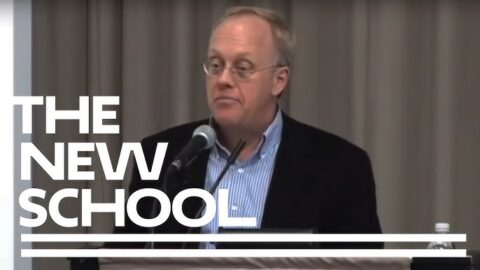
journalist chris hedges, at the new school, discusses his recent book empire of illusion: the end of literacy and the triumph of spectacle.
christopher hedges is an american journalist, author, commentator and (surprisingly!) a presbyterian minister
in his early career, hedges worked as a freelance war correspondent in central america for NPR, and dallas morning news. hedges reported for the new york times from 1990 to 2005, and served as the times middle east bureau chief and balkan bureau chief during the wars in the former yugoslavia. in 2001, hedges contributed to the new york times staff entry that received the 2002 pulitzer prize for explanatory reporting for the paper’s coverage of global terrorism. by sr
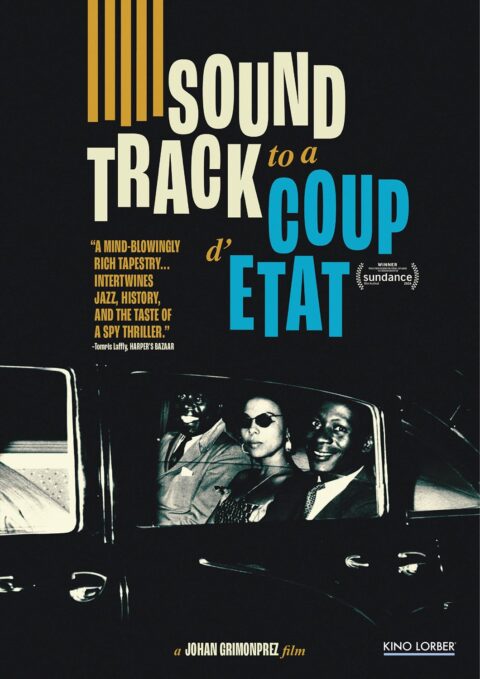
soundtrack to a coup d’etat: best documentary feature film 97th academy awards
also see this great new film “soundtrack to a coup d’etat”
soundtrack to a coup d’etat premiered at the sundance film festival on 22 january 2024.
it won the andré cavens award for best film from the belgian film critics association. it has been nominated for best documentary feature film at the 97th academy awards.
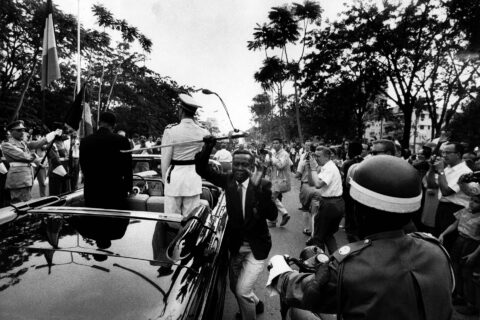
soundtrack to a coup d’etat is a documentary film directed by johan grimonprez about the cold war episode that led american musicians abbey lincoln and max roach to crash the un security council in protest against the murder of congolese leader patrice lumumba. one february morning in 1961, singer abbey lincoln and drummer max roach crash the un security council to protest the murder of prime minister patrice lumumba of the newly independent congo. sixty yelling protesters throw punches, slam their stilettos and provoke a skirmish with unprepared guards as diplomats look on in shock.
six months earlier, sixteen newly independent african countries are admitted to the united nations, shifting the majority vote away from the old colonial powers. soviet leader nikita khrushchev speaks in opposition to the neo-colonial power grab unfolding in the republic of the congo (léopoldville) (modern dr congo). denouncing america’s color bar and un complicity in the overthrow of lumumba, he demands immediate decolonization worldwide.
to retain control over the riches of what used to be the belgian congo, king baudouin of belgium finds an ally in the eisenhower administration, which fears losing access to one of the world’s biggest known reserves of uranium, a metal vital for the creation of atomic bombs. congo-léopoldville takes center stage to both the cold war and the scheme for control of the un. the US state department swings into action: jazz ambassador louis armstrong is dispatched to win the hearts and minds of africa. unwittingly, armstrong becomes a smokescreen to divert attention from africa’s first post-colonial coup, leading to the assassination of congo’s first democratically elected leader. malcolm x stands up in open support of lumumba and his efforts to create a united states of africa while also reframing the freedom struggle of african americans as one not for civil rights but for human rights, aiming to bring his case before the UN.
as black jazz ambassadors are performing unaware amidst covert cia operatives, the likes of armstrong, nina simone, duke ellington, dizzy gillespie and melba liston face a painful dilemma: how to represent a country where segregation is still the law of the land.
jazz and decolonization are entwined in this forgotten episode of the cold war, where the greatest musicians stepped onto the political stage, and downtrodden politicians lent their voices as inadvertent lead singers. this story of the undermining of african self-determination is told from the perspective of central african republic women’s rights activist and politician andrée blouin, irish diplomat and enfant terrible conor cruise o’brien, belgian-congolese writer in koli jean bofane, and nikita khrushchev himself. by dd
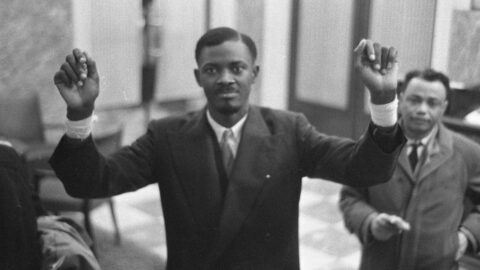
lumumba : la mort du prophete a french film by raoul-peck on the life of patrice lumumba
lumumba : death of a profit
stills from the film starring, agreat performance by, eriq ebouaney as patrice lumumba
watch for free on youtube – if link is broken try : here
lumumba is a 2000 biographical film directed by raoul peck. a co-production of france, germany, belgium, and haiti. filmed in french, the film depicts the rise and fall of patrice lumumba, and is set in the months before and after congo-léopoldville achieved independence from belgium in june 1960. war in the democratic republic of the congo at the time of filming caused the film to be shot in zimbabwe and beira, mozambique.
CONTROVERSY : the film generated some controversy in 2002, when frank carlucci, a former american government official and protege of donald rumsfeld, persuaded HBO to delete a reference to him during the airing of the film. the scene in question involves a group of belgian and congolese officials deciding whether to kill lumumba. carlucci is asked for input, and he mumbles that the US government does not involve itself in the internal affairs of other countries. at the time, carlucci was the second secretary of the US embassy in congo. he denies playing any role in the death of llumumba: “the scene is tendentious, false, libelous; it never happened and it is a cheap shot.” the scene remains on the DVD version of the film. by dd
out here, in our corner of the civilized world: with the upcoming black history month, we explain why the US government murdered Fred Hampton
just learned about fred, thanks to amy goodman… heres what i found:
“as a youth, fred hampton was gifted both in the classroom and athletically, and hoped to play center field for the yankees…
at 10 years old, he started hosting weekend breakfasts for other children from the neighborhood, cooking the meals himself in what could be described as a precursor to the panthers’ free breakfast program.
vox: “why the US government murdered fred hampton”
in 1968, hampton was accused of assaulting an ice cream truck driver, stealing $71 worth of ice cream bars, and giving them to kids in the street. he was convicted in may 1969 and served time in prison.
democracy now: “the assassination of fred hampton: new documents reveal involvement of FBI director j. edgar hoover”
we know this is how russia is run, and uganda under amin, and iran, but does this shit happen in france? or in canada? or in norway?
“hampton rose quickly in the BPP based on his organizing skills, and charisma… in 1969, hampton, now deputy chairman of the black panthers party illinois chapter, conducted a meeting condemning sexism. the fbi believed that hampton’s leadership and talent for communication made him a major threat… FBI director j edgar hoover was determined to prevent the formation of a cohesive black movement in the united states. the FBI opened a file on hampton in 1967…
in late 1968, the FBI’s chicago field office recruited william o’neal to work with it; he had recently been arrested twice for interstate car theft and impersonating a federal officer. in exchange for having his felony charges dropped and receiving a monthly stipend, o’neal agreed to infiltrate the BPP as a counterintelligence operative. with oneals help fred hampton was shot in bed, in the head, while drugged and incapacitated from the night before by the imposter, william o’neal, the FBI informant.” i mean wholly shit. they drugged him, and then they shot him in the head, i mean what cowards, what bastards…. assuming all this is true. by xy
Rebranded Al-Qaeda : is now our friend… the twilight zone guide to HTS
the twilight zone guide to HTS
like all real terrorists, HTS chief, jolani got a new PR image and a hair transplant!
US president biden and israeli prime minister netanyahu boasted of helping topple bashar al-assad. NATO member turkey played a key role as well. ben norton explains how the west became buddies with its enemy. by xy
the eyes of indigenous peru: martin chambi the man who inspired irving penn and the cast at tomorrow started
“it is believed that indigenous peoples have no culture…that they are barbarians,” declared martín chambi after exhibiting his photographs in chile in 1936.
“that is why i am undertaking this task,” he affirmed. as an indigenous descendant, chambi devoted his decades-long career to photographing the lives and surroundings of the peruvian people of the southern andes during the early 20th century.
from formal studio portrayals of peru’s diverse society to chronicles of the andes and their environs, chambi’s work remains a testament to his drive for capturing his country’s history and culture.
sihuana (above) one of martín chambis most famous photographs – “two giants from cusco” (1925)
sihuana was the peruvian giant. chambi’s photograph of sihuana is a sensitive portrait of an indigenous peruvian man in traditional dress, including a draped poncho and chullo cap.
“sihuana’s direct gaze confronts the viewer. his stance and surroundings mimic painted portraits of a century earlier, like afro-peruvian portraitist josé gil de castro’s portrayal of the marques de torre-tagle (below).
although gil de castro never traveled to europe, he became famous for his ability to represent the peruvian elite in grand style. much like sihuana, the gentlemanly tagle is positioned in front of a cloth of honor and surrounded by decorative objects that help to signal his “status.”
born to a quechua family in the coasa district of southern peru, chambi first encountered photography at the age of 14, while working at the british mining company santo domingo, where his father also worked. it was here that he came across two british company photographers, angus and ferrin, who showed him the workings of the camera.
within a few years, in 1908, he moved to arequipa to become assistant to max t. vargas, a renowned photographer and owner of one of the most well-known studios in the city. in his nine years training with vargas, chambi learned the technical and aesthetic fundamentals of artistic portraiture and outdoor photography, exhibiting his work locally and establishing connections with arequipa’s vibrant artistic community.
above portraits of two peruvian women by martin chambi
irving penn met chambi in the early days of his career and the influence on his work is very much recognizable
above portraits of a peruvian man not by martin chambi, but rather the american photographer irving penn
incredible portraits of max ernst and dorothea tanning by irving penn
this period marks the beginning of his successful career, when he participated in multiple photographic competitions and earned himself several copper medals on various occasions.
around 1917, chambi opened his own photographic studio, first in the town sicuani and then in cusco.
while his studio soon became the regional leader in natural light portraiture, the artist also worked as a photographic correspondent for national journals and newspapers documenting streets, monuments, everyday scenes of urban and rural life, events, and gatherings, as well as peruvian architectural and archaeological sites.
he photographed the incan citadel machu picchu, and documented an array of subjects, from the prominent families of cuzco to the daily lives of the andean communities and the working class. his photojournalism and nationalist spirit were shaped at a time when foreign explorations of peru’s ancient monuments were at a peak and the tourist industry was just emerging.
it also coincided with the cultural and political emergence of the indigenism movement, in which chambi was profoundly influential for changing the way the country was represented through photography.
both his landscapes and his portraits of indigenous sitters from this period challenged traditional understandings of national identity and representation, and it was through his extensive photographic records, publications, and postcard production that he radically changed perceptions of the region, leaving an indelible mark on peruvian visual culture. over the course of his life, chambi’s work was widely recognized, exhibited, and published both in peru and throughout latin america, leaving behind a massive and profoundly influential body of work as peru’s first indigenous photographer. by jp
wilmington 1898 how North Carolina’s democratically-elected, multi-racial government was illegally ousted
american coup wilmington 1898
directed by brad lichtenstein and yoruba richen
you can watch the full film on PBS website – link in copy below
the film, which is a part of american history seldom displayed, tells the little-known story of a deadly race massacre and carefully orchestrated insurrection in north carolina’s largest city (wilmington) in 1898 — the only successful coup d’état in the history of the united states to date. stoking fears of “negro rule,” self-described white supremacists used intimidation and violence to destroy black political and economic power and overthrow wilmington’s democratically-elected, multi-racial government. black residents were murdered and thousands were banished.
the story of what happened in wilmington was suppressed for decades until descendants and scholars began to investigate. today, many of those descendants — black and white — seek the truth about this intentionally buried history. the film is available on pbs website for viewing,
a visual collective outlet of inspiration