 a visual collective outlet of inspiration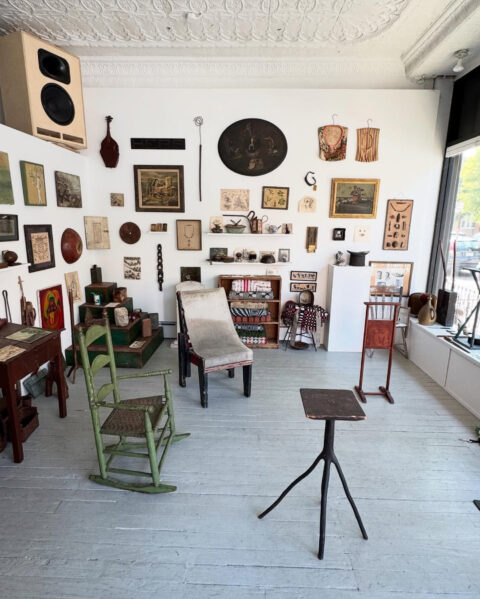
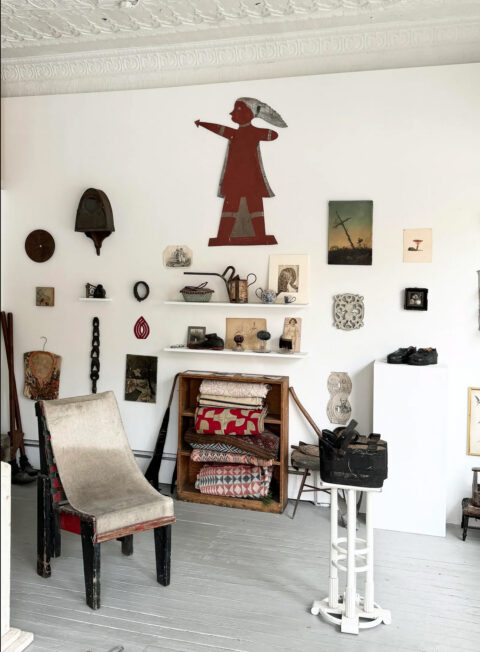
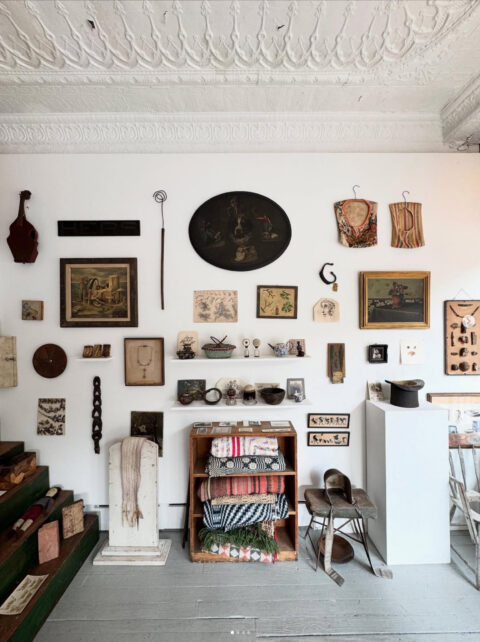
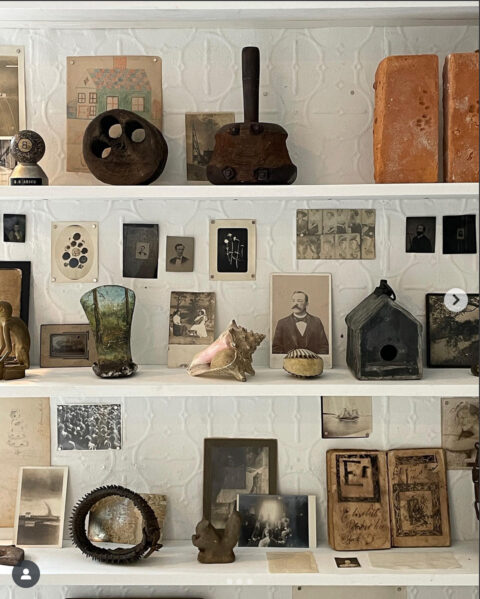
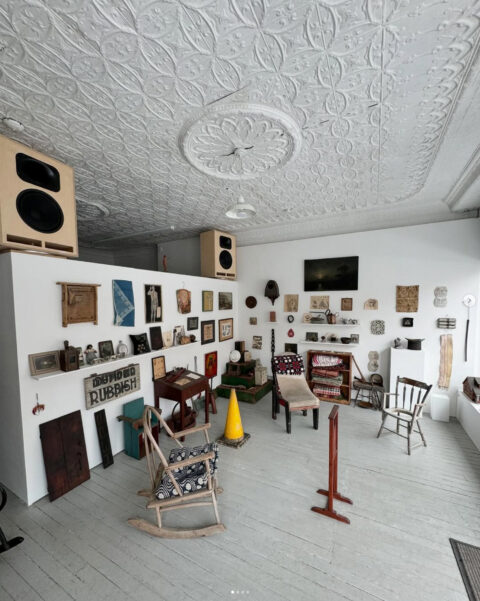
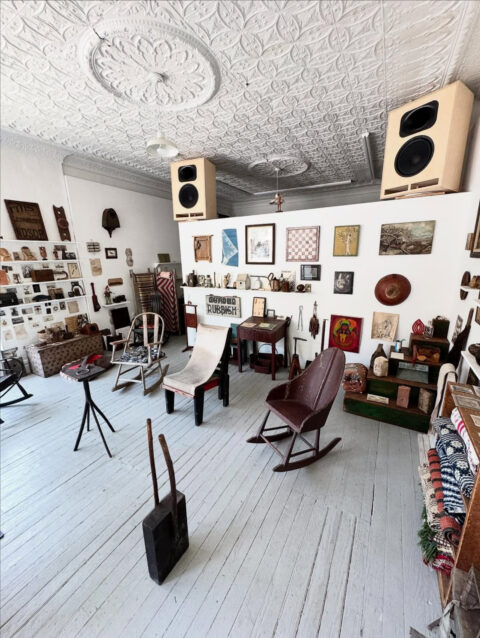
love this place, curated by eric olgander. filled with beautiful antique objects, the space itself is quiet and full of charm. the perfect spot to find a unique gift. by tnt
love this place, curated by eric olgander. filled with beautiful antique objects, the space itself is quiet and full of charm. the perfect spot to find a unique gift. by tnt
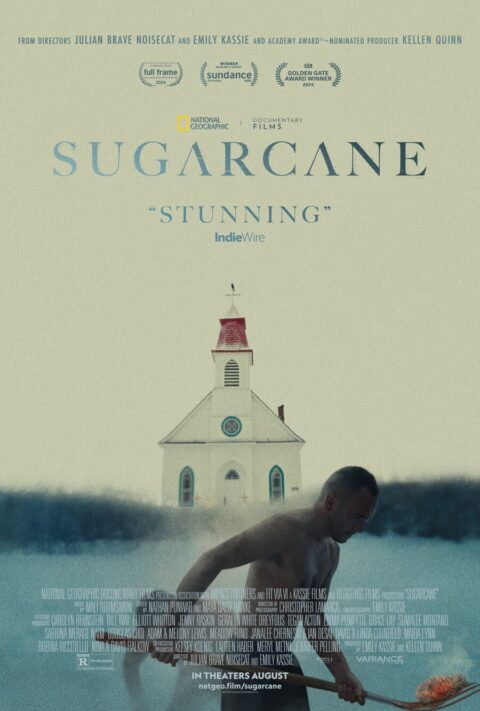
rent the oscar nominated national geographics documentary by julian brave noisecat here
canon USA presents behind the scenes sugarcane movie documentary
film review
a stunning tribute to the resilience of native people and their way of life, SUGARCANE, the debut feature documentary from julian brave noisecat and emily kassie, is an epic cinematic portrait of a community during a moment of international reckoning. in 2021, evidence of unmarked graves was discovered on the grounds of an Indian residential school run by the catholic church in canada.
after years of silence, the forced separation, assimilation and abuse many children experienced at these segregated boarding schools was brought to light, sparking a national outcry against a system designed to destroy indigenous communities. set amidst a groundbreaking investigation, SUGARCANE illuminates the beauty of a community breaking cycles of intergenerational trauma and finding the strength to persevere. by ts


 ahhh, just me and a tree! i want that…. i really hate my job… by dd
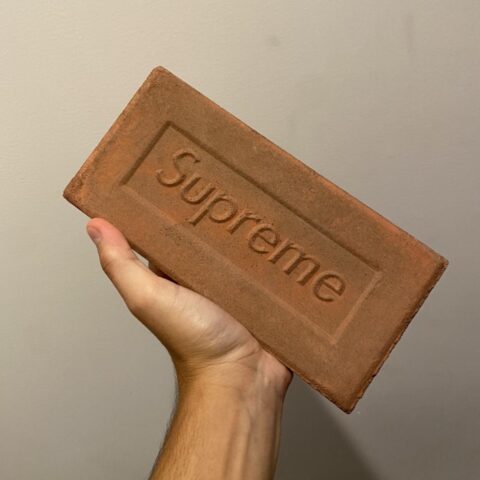
“i bet if we made a fucking brick with supreme on it people would pay $40 each…” so they did and they did pay. today you can pick one up for $300 on stock x
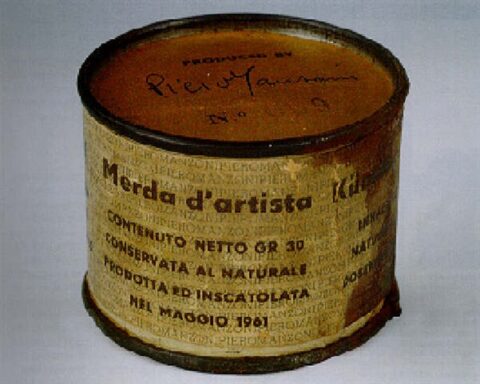
artists shit, original price unknown… piero manzoni’s shit now sells for $300,000 an ounce
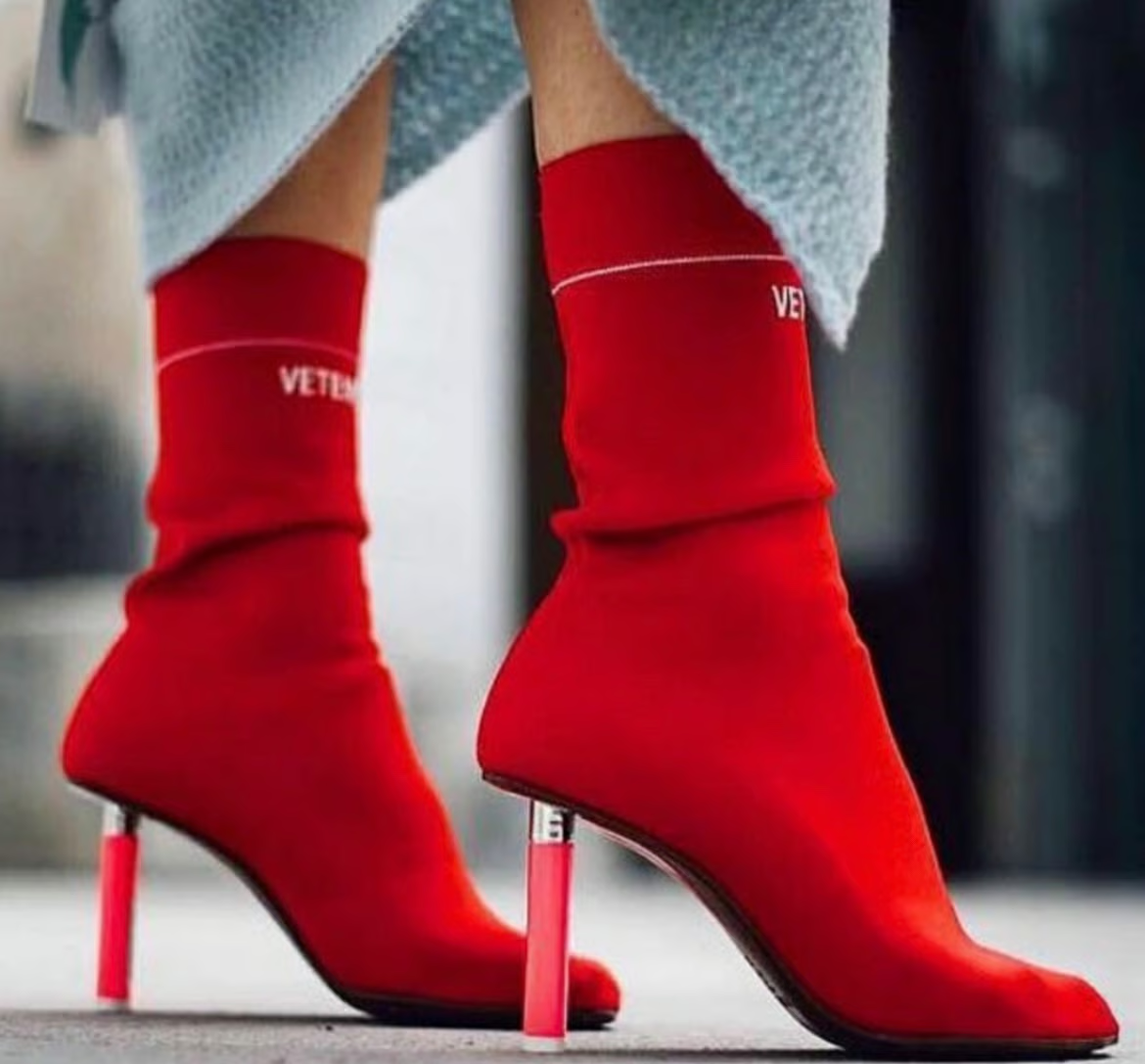
demna’s vetements boots with plastic disposable lighters as heel – price for a used pair approx $450
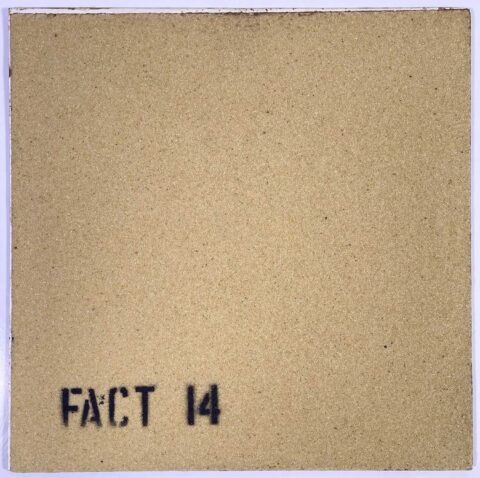
the album cover to destroy all others… peter savilles fact 14 LP cover made of sandpaper, to gently destroy all your other LPs.
send us some more please. by dd
 i so love this bag. by dd

dust dance vanessa bruno + lou doillon

lou doillon in vanessa bruno, if video is unavailable click here
french fashion designer vanessa bruno is presenting a truly beautiful video to illustrate her winter collection. featuring lou doillon, the movie is perfect fit to this “no mistake” brand from their cloths, their unconventional campaign shot by mark borthwick to this movie. bien joué! by pp’
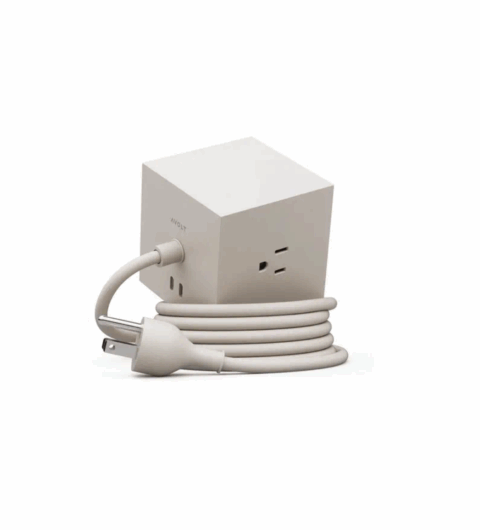
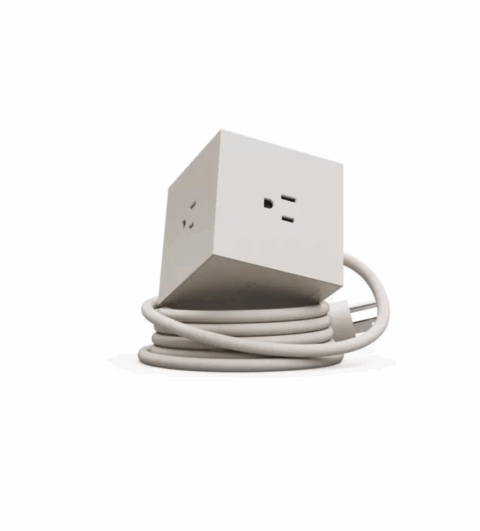
stockholm square 1 power strip
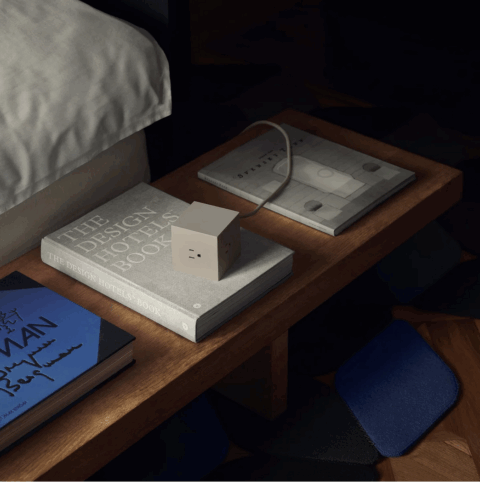

works well with USM
we love it when someone rethinks the ugliness in our everyday. stockholm-designed, the square 1 transforms the utilitarian power strip into an object of quiet sophistication. finished in nomad sand, it dissolves into your environment while anchoring your space with thoughtful functionality.
what distinguishes this piece is its magnetic base—a clever intervention that liberates the power strip from floor-bound anonymity. mount it precisely where intention meets need, secured by the included iron plate with pre-applied adhesive. your workspace becomes unburdened, your charging ritual elevated. you can buy it here for around $70. not bad! by sn
well they are not all media channels, but we think these people are some of the most insightful parties on the youtube regarding world events. you might enjoy checking them out…
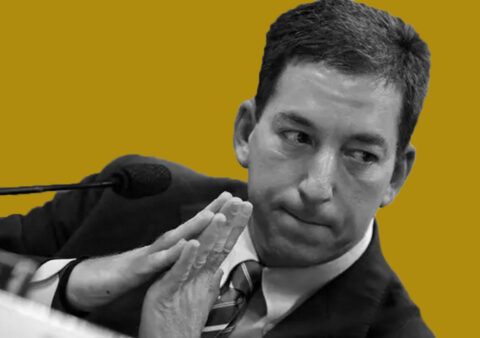
1. LINK: Glenn Greenwald – journalist, constitutional and civil rights lawyer
Greenwald is an American journalist and was born in Queens in New York City. Greenwald is Jewish, but has said his “moral precepts aren’t informed in any way by religious doctrine”. Greenwald founded a law firm concentrating on First Amendment litigation. Greenwald is the journalist who helped break the story of Edward Snowden’s leaks about U.S. government surveillance in 2013, The NSA fiasco… a collaboration that led to a Pulitzer Prize for public service as well as harassment and aggressive scrutiny from the US government and its allies over his reporting on documents leaked.
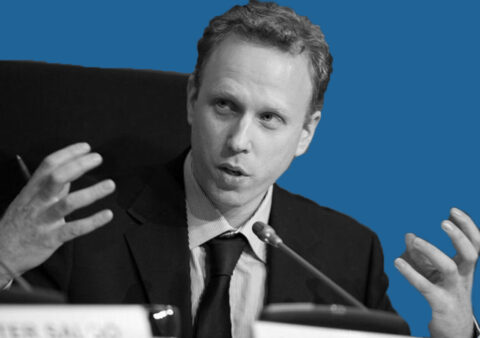
2. LINK: Max Blumenthal – Greyzone podcast
Max Blumenthal is an American journalist, author, blogger, and filmmaker. He was born in Boston, Massachusetts. He is Jewish. His father is a journalist and writer who served as an aide to President Bill Clinton. He graduated from the University of Pennsylvania in 1999 with a Bachelor of Arts degree in history.
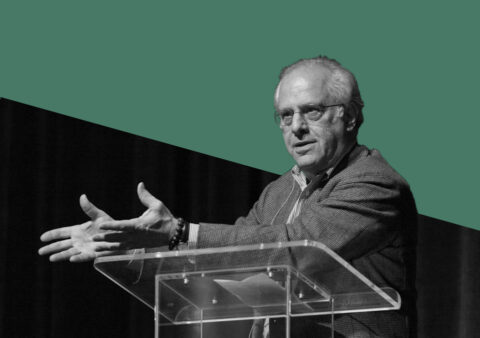
3. LINK: Richard Wolff– Economist
To escape Nazism, Richard David Wolff’s parents, both Jewish German citizens, emigrated to the United States during World War II. Wolff is an American Marxian economist known for his work on economic methodology and class analysis. He is a professor emeritus of economics at the University of Massachusetts Amherst and a visiting professor in the graduate program in international affairs at The New School. Wolff has also taught economics at Yale University, City College of New York, University of Utah, Paris 1 Panthéon-Sorbonne University, and The Brecht Forum in New York City.
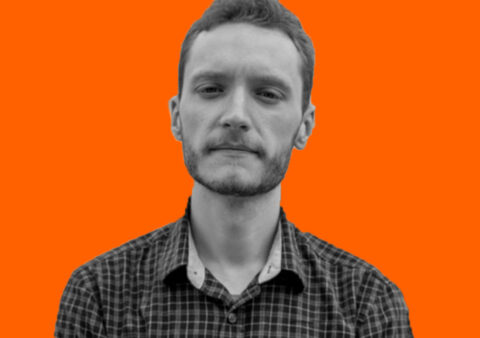
4. LINK: Ben Norton – Geo political economy podcast
Benjamin Norton is a US-born journalist currently living in China. His known affiliations are political rather than religious. His religion if any, is unknown. He spent 5 years at The Grayzone but left in January 2022 to become independent. Norton is known to be an opponent to CIA-funded “compatible left”. He is also an anti-imperialist, having opposed US’s expansionist policies.
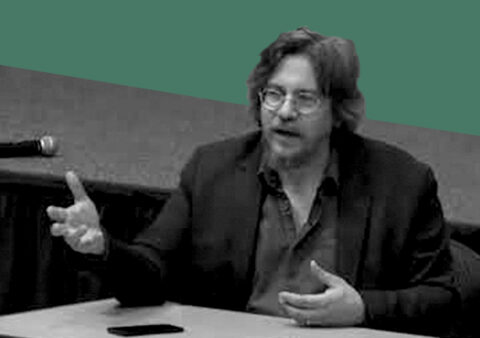
5. LINK: Roy Casagranda– Professor of history
Roy Casagranda holds a PhD and specializes in the Middle East, U.S. foreign policy, and Western Civilization. He is often asked about his religion, but he does not publicly identify with one. He is a professor of government at Austin Community College, an author of historical fiction, a public speaker.
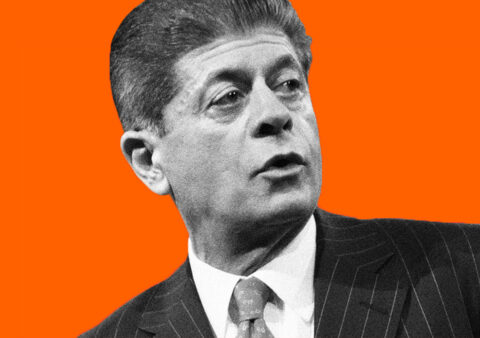
6. LINK: Judge Napolitano – podcast (?) while intelligent he did for a while play the game and contribute to fox news of all things…
Andrew Peter Napolitano is a Catholic American retired judge (New Jersey Superior Court )and syndicated columnist whose work appears in numerous publications, including The Washington Times and Reason. Napolitano served as a New Jersey Superior Court judge from 1987 to 1995. He is a libertarian and has gained prominence in part due to his criticism of the administrations of George W. Bush, Barack Obama, and Donald Trump.
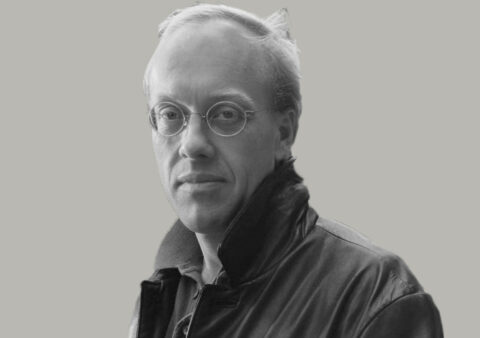
7. LINK: Chris Hedges Show – American journalist
Christopher Lynn Hedges is an Christian (Presbyterian) American journalist, author, commentator and Presbyterian minister. In his early career, Hedges worked as a freelance war correspondent in Central America for The Christian Science Monitor, NPR, and The Dallas Morning News. Hedges reported for The New York Times from 1990 to 2005, and served as the Times Middle East Bureau Chief and Balkan Bureau Chief during the wars in the former Yugoslavia. In 2001, Hedges contributed to The New York Times staff entry that received the 2002 Pulitzer Prize for Explanatory Reporting for the paper’s coverage of global terrorism.
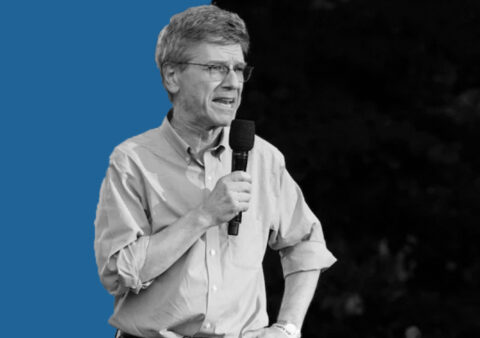
8. LINK: Jeffrey Sachs – Professor economics Columbia University
Jeffrey David Sachs was born into a Jewish family. He is an American economist and public policy analyst who is a professor at Columbia University, where he was formerly director of The Earth Institute. He worked on sustainable development and economic development. From 2001 to 2018, Sachs was special advisor to the UN Secretary-General.
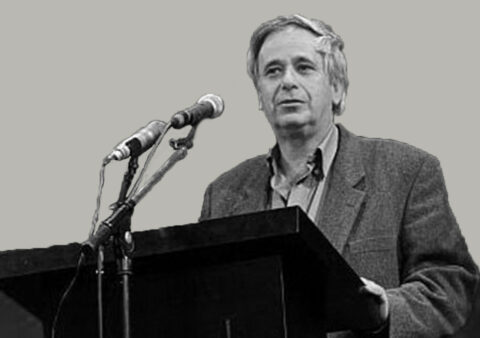
9. LINK: Ilan Pappe – Israeli historian
Born in Haifa, Israel, Ilan Pappé was a senior lecturer at the University of Haifa (1984–2007). He is an Israeli historian and political scientist, known for his work on the Israeli–Palestinian conflict and as a leading figure among Israel’s New Historians. He is a professor at the University of Exeter’s College of Social Sciences and International Studies.
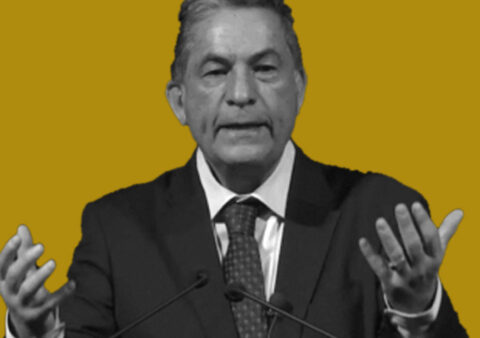
10. LINK: Gideon Levy – Israeli journalist , Haaretz paper
Gideom Levy is an Israeli journalist and author. Levy writes opinion pieces and a weekly column for the newspaper Haaretz that often focus on the Israeli occupation of the Palestinian territories. Levy has won prizes for his articles on human rights in the Israeli-occupied territories. In 2021, he won Israel’s top award for journalism, the Sokolov Award.
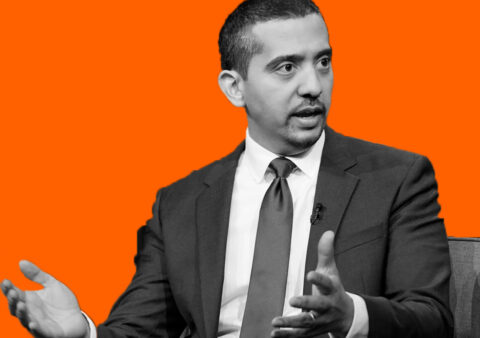
12. LINK: Mehdi Hasan – Zeteo
Mehdi Raza Hasan is a British and American broadcaster, writer, journalist. He is a graduate of the University of Oxford in England. Hasan was born to Shia Muslim parents from Hyderabad, in India, his mother a doctor and his father an engineer. Following a stint on the BBC’s The Politics Show, Hasan became deputy executive producer on Sky’s breakfast show Sunrise before moving to Channel 4 as their editor of news and current affairs. He was formerly the political editor of the UK edition of The Huffington Post and the presenter of the Al Jazeera English shows The Café. He now runs Zeteo.
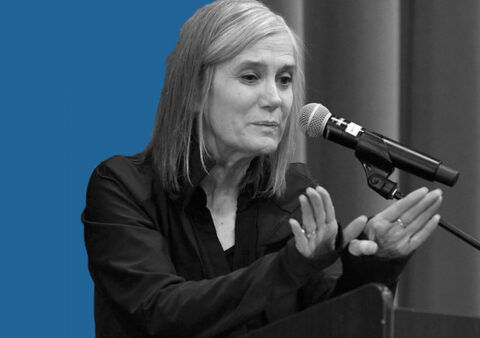
11. LINK: Amy Goodman – democracy now podcast
Amy Goodman was born in Bay Shore, New York on Long Island[6] to secular Jewish parents who were active in social action groups. Amy is an American broadcast journalist, syndicated columnist, investigative reporter, and author. She has received awards for her work, including the Thomas Merton Award. Goodman received the Gandhi Peace Award for a “significant contribution to the promotion of an enduring international peace”. she was awarded the I.F. Stone Medal for Journalistic Independence by Harvard University’s Nieman Foundation. She is the author of six books.
ok in the end, it’s the top 12 not the top 10. and there are many many more of course. why is it that top 10 sound better than top 12?
talk to god about that. 12 apostles, 12 months, 12 tribes of Israel, 12 o clock, a dozen, 12″ to a foot – while not all may be works of god, there is something to that 12… enjoy. by ae
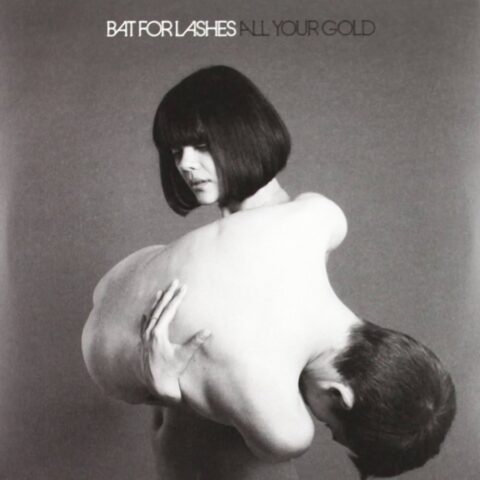
great video. i want them boys on my side. directed by dougal wilson and produced by colonel blimp. filmed over a 16-hour night shoot in england specifically around the brighton area. by cm

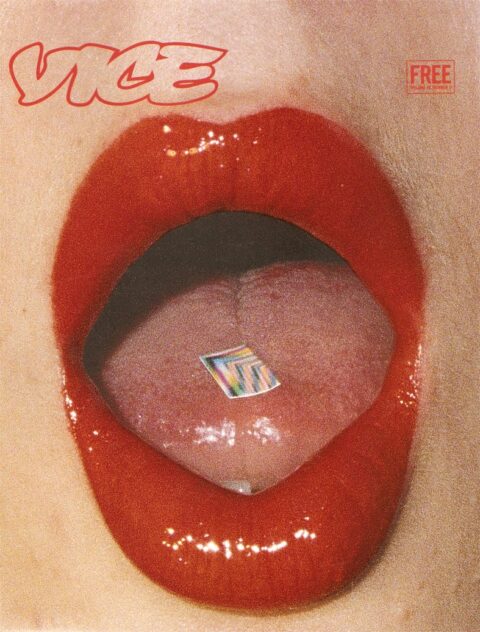
early vice covers when it was cool and FREE
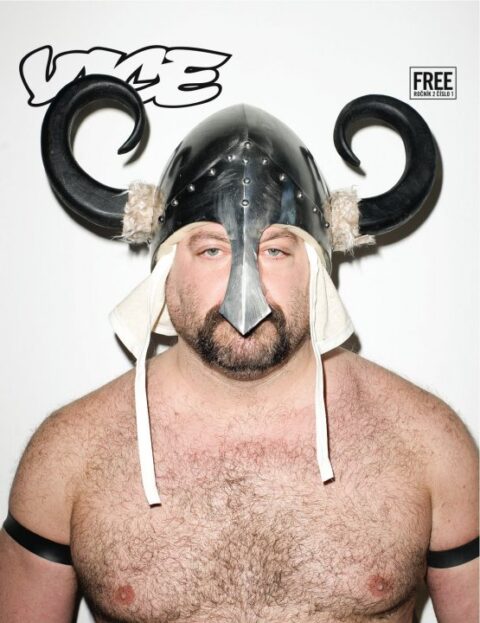
gavin mcinnes cover perhaps? it was all in the making…
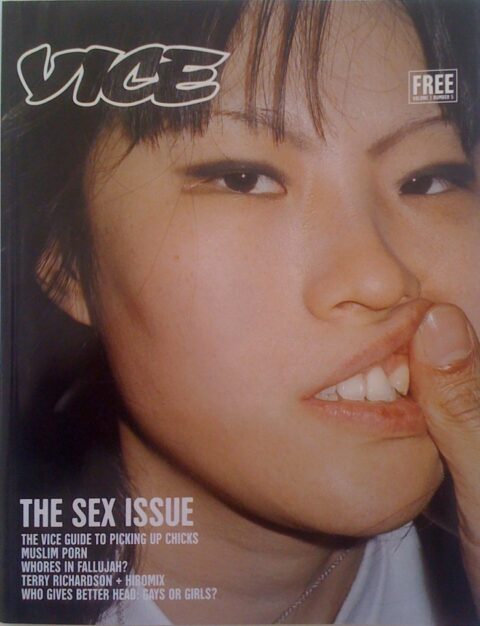
racist!… must have been gavin’ cover too
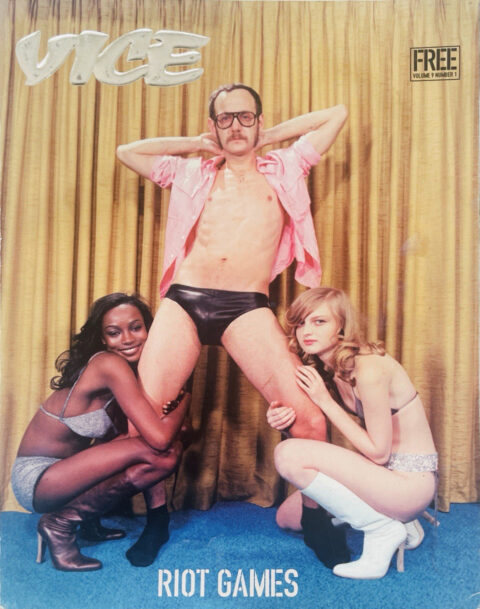
terry richardon before cancellation

also see the books on dos and don’t and history of sex just don’t get em on amazon
we loved vice magazine in its early days. it was hilarious and kooky. in new york city, we’d pick em up on the corner on our way to work for free… read em, then chuck em.
some issues were so good we’d photocopy articles and mail to friends who lived in less fortunate cities and countries were vice wasn’t available. the article were about sex, drugs, dos and donts, identity, travel, and just about any random thing in any given category you’d least expect. then suddenly we heard vice is bought by CNN… or that’s what i recall. it turns out it wasn’t CNN it happened to be HBO. same shit. it was one of those corporate-lame legacy outlets.
“make the cool guy feel rich, and the rich guy feel cool and you got em”
– vice is broke
a documentary on vice magazines history by eddie huang
for me and so many other that was the end of vice. i don’t think i followed them after that really. every once-in-a-while we’d see a video on youtube about nuclear wolves in chernobyl, or some country on the african continents civil war funded by the west. we wanted to like them but it wasnt the same. the one memorable video from the later versions of vice was with simon ostrovsky in ukraine, who seemed competent enough. atleast, because by now, vice had surely lost all its cool and without simon ostrovsky’s substance there was nothing much left aside with a bunch fart boys.
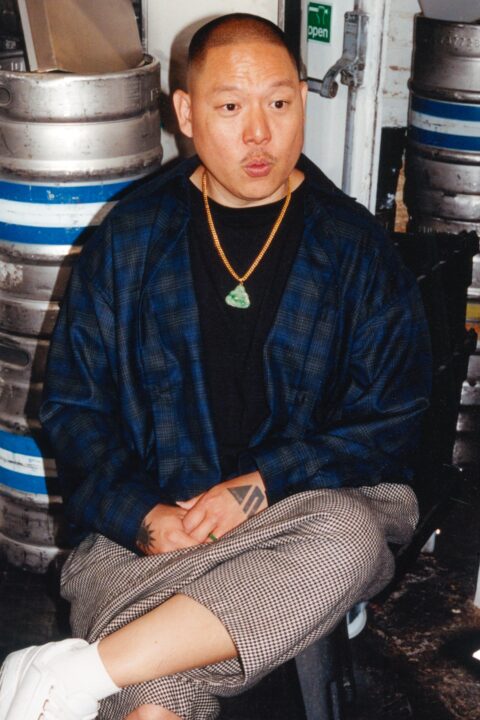
have a watch. thoroughly enjoyed the documentary “vice is broke” by eddie huang, granted it is first-and-foremost a dis track to shane smith, non the less its a great dive into the past and meeting some of the great people who worked on it in its earlier days. good watch, see it on mubi.com (don’t have mubi? try 7 day free trial, hey its between mubi and criterion, the rest are crap anyway). by uh
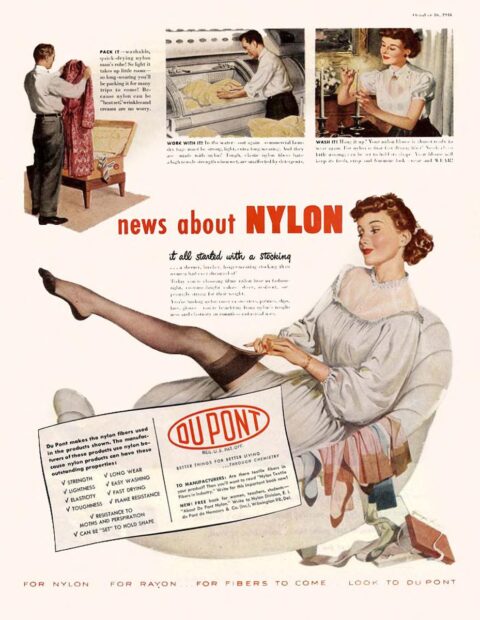
dupont nylons ads
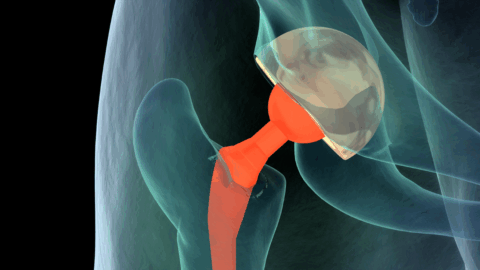
widely used in medical devices and body implants due to its unique properties
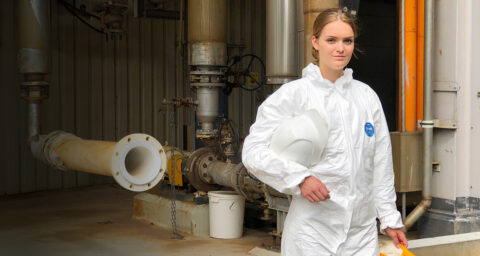
dupont current hazmat (hazardous material) suits
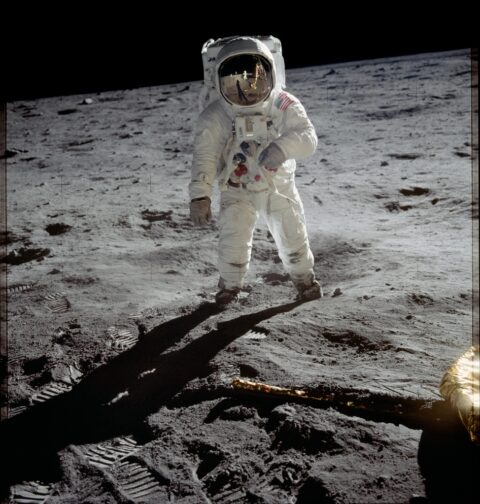
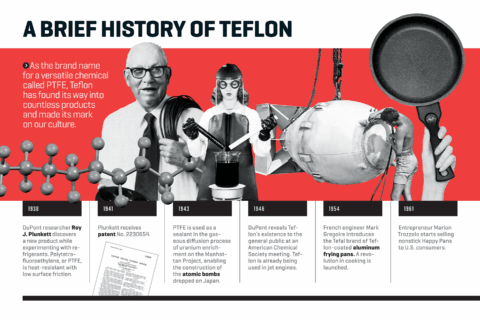
dupont teflon was used in the apollo mission space suit
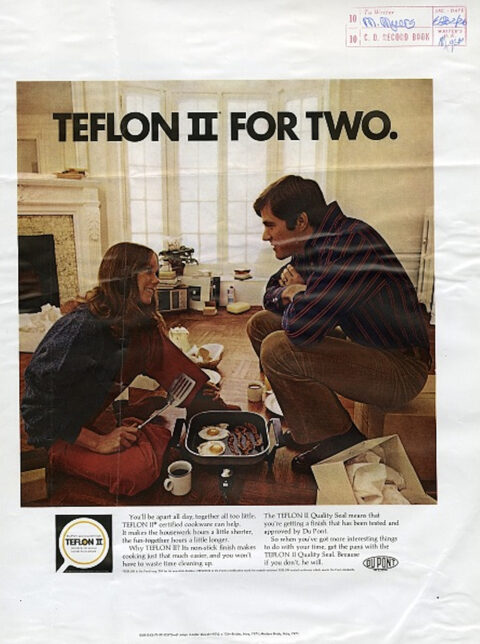
also in your more familiar, everyday pots and pans
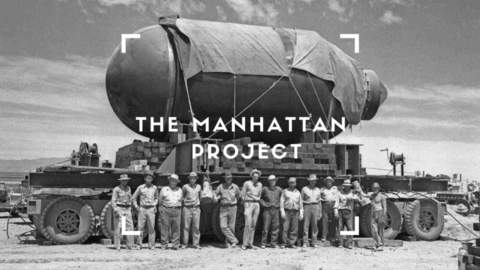
dupont teflon was pivitol in the manhattan project
it wasn’t for nothing… and it ended up in many useful places, but at what cost? and did we really need non stick pans? and should there have been more regulations at the factory? the water pollution? and limitation in its use of such materials across the globe? yes yes and yes. that is some crazy shit… “the biggest chemical cover up in history. PFAS has polluted the entire global water system. now, potentially dangerous forever chemicals are being found in the entire US population blood samples.”
here is an interesting history of dupont’s teflon and the forever chemicals each one of us carries today in our blood, thanks to this great invention. from polar bears in the arctic, to the fish in our oceans that we eat, to the water we drink, PFAS are everywhere… and you must note that according to the U.S. environmental protection agency (EPA), there is NO safe level of exposure to PFAS. of course thanks to donlad trump the EPA just delayed, and may possibly remove, their requirements and limits to measure PFAS or forever chemicals in our water supply. by km